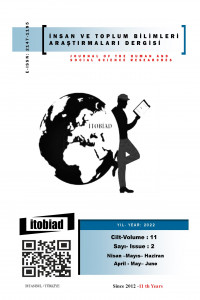
Research Article
Retraction
Aim & Scope
Journal of the Human and Social Science Researches [itobiad] aims to contribute to scientists by publishing original articles, book reviews, and studies on the symposium and congress activities in the field of social sciences related to human and society (History-Culture and Art, Economics and Administrative Sciences, Philosophy and Religious Studies and Education).
The target audience of Journal of the Human and Social Science Researches [itobiad] is Academicians, Researchers, Undergraduate, Postgraduate, Doctorate students, and interested readers. Journal of the Human and Social Science Researches is a peer-reviewed, scientific journal published 4 times a year (March-June-September-December). The copyrights of the studies published in the Journal of the Human and Social Science Researches belong to their authors. Journal of the Human and Social Science Researches has embraced open access and non-commercial scientific publishing. Articles published in the Journal of the Human and Social Science Researches can be made accessible in the institutional archive of his/her university and in the archives on the subject or in other archives requested by the author without the embargo period. All published articles are assigned a DOI as a permanent article identifier.
Aim
Journal of the Human and Social Science Researches [itobiad] aims to contribute to scientists by publishing original articles, book reviews, and studies on the symposium and congress activities in the fields of humanities, social sciences and cultural studies related to human and society (History, Culture and Art, Economics and Administrative Sciences, Philosophy and Religious Studies and Education). It also aims to contribute to the sharing of information about the field at the national and international levels through these publications.
Scope
In Journal of the Human and Social Science Researches [itobiad] original articles, book reviews, and studies on the symposium and congress activities in the fields of humanities, social sciences, and cultural studies related to human and society (History, Culture and Art, Economics and Administrative Sciences, Philosophy and Religious Studies and Education) are published.
Subject Category
Social Sciences: History and Philosophy of Science; Education and Educational Research, Psychology; Religion,
Cultural Studies; Political Science, Economics, Sociology, International Relations, Business, Communication
Humanities: Philosophy, Religion & Theology, History
Field of Science: History, Culture, Art; Economics, Administrative Sciences; Philosophy and Religious Studies; Education
Keywords
History; Christianity, Judaism, Islam, Buddhism, Hinduism, Ottoman History, Seljuk, Turkish Republic History, World History, European History, African History, Art History, Economics and Administrative Sciences; International Relations, Political Science, Business, Economics, Sociology; Family Sociology, Sociology of Religion, Sociology of Education and Social Science, Economic Sociology, Sociology of Communication, Sociology of Art, Sociology of Public Health, Political Sociology , Philosophy; Moral Philosophy, Philosophy of Religion, Philosophy of Islam, Philosophy of Science, Philosophy of Education, Philosophy of Ethics, Education; Curriculum and Instruction, Educational Psychology, Special Education, Guidance, International Education, School Management, Measurement and Evaluation, Economics; Microeconomics, Macroeconomics, History of Economics, History of Economic Thought, International Economics, Turkish Economy, Development Economics, Public Economics, Political Economy, Environmental Economics, Industrial Economics, Labor Economics, Agricultural Economics, New Economy, Tourism Economics, Mixed Economics, Business Economics, Democracy , World Economics, Turkish Economy, Development Economics, Public Economics, Politics, International Relations
Period of Publication
Journal of the Human and Social Science Researches (itobiad) is a peer-reviewed scientific journal published 4 issues per year (March-June-September-December).
Target Audience
The target audience of Journal of the Human and Social Science Researches [itobiad] is Academicians, Researchers, Undergraduate, Postgraduate, Doctorate students, and interested readers.
Copyright
The copyrights of the studies published in the Journal of the Human and Social Science Researches (itobiad) belong to their authors. The authors allow the intellectual work they sent to be published under a Creative Commons Attribution-NonCommercial 4.0 International license (CC BY-NC 4.0) by the Journal of Human and Social Sciences Research (itobiad).
Payment Policy
Journal of the Human and Social Science Researches (itobiad) is a paid journal.
Regardless of the acceptance or rejection status of the articles, a fee is charged. "According to the decision taken at the General Assembly of the Council of Higher Education dated 07.03.2019" You must send Fee 850.00 (VAT Included) to the bank account of Mustafa Süleyman ÖZCAN Vakıf Katılım-İkitelli Branch- (IBAN) TR37 0021 0000 0000 2142 9000 01.
Note:
- Dear Author, We charge you a fee for pre-evaluation, refereeing, editorial review, language control service, secretariat, spelling, and layout control.
-Please indicate your Article ID for information. Articles that are not paid for are not processed.
Article Submission Fee: 850.00 TL
Author Guidelines
Journal of the Human and Social Science Researches (e-ISSN: 2147-1185) Writing Rules.
The material submitted for publication may not be previously published or accepted for publication by another publisher.
1. Title of the Article: The title should suit the content and express, and should be written in bold letters. in 12 Punto Palatino Linotype each word.
2. Author Name and Institution Information: Author name and institution information should not be written as they will go to the study referees who will be installed on the system. The article must be typed exactly as it appears in the Name, Surname, Organization Information (TR & ENG), email and Orcid ID before receiving the final approval.
3. Abstract: The article should include an abstract in Turkish at the beginning. The abstract should explain the topic clearly and concisely in a minimum of 250 and a maximum of 300 words. The abstract should not include references to sources, figures and charts.
4. Keywords: Keywords of 5 to 8 words should be placed at the end of the abstract. Each word of the keywords must be written in Capital letters and a comma must be used between them.
5. Body Text: The texts sent, pictures, maps etc. should not exceed 35 journal pages (9,000 words), including the attachments. Written letters should be written in A4 size with white space at the top on white paper, 2.25 cm. bottom 3 cm, right 4 cm and left 3 cm side with "at least 12nk" line spacing, two sides, without line hyphenation and 10 points "Palatino Linotype" font. (For detailed and visual information, the "journal page layout example" should be looked at on the layout page.) However, the submitted tables, figures, pictures, graphics and the like should not exceed 12x17 cm in order for the magazine not to go beyond the page dimensions and to be easier to use. For this reason, tables, figures, pictures, graphics and so on. smaller points and single spacing can be used in the elements. The "APA" system will be used for footnotes and references.
6 Section Titles: In the article, main, intermediate and subtitles can be used in order to provide compatibility with the content. These headings should be written in Capitalized Word.
6. Tables and Figures: Tables should have numbers and captions. The tables, figures, pictures, graphics and the like sent to the journal must not exceed 12x17 cm in order for the magazine not to go beyond the page dimensions and to be used more easily. For this reason, tables, figures, pictures, graphics and so on. smaller points and single spacing can be used in the elements.
7. Pictures: Pictures should be attached to the articles scanned in high-resolution print quality. The same rules for figures and tables apply in naming pictures.
The number of pages for figures, tables and pictures should not exceed 10 pages (one-third of the article). Authors having the necessary technical equipment and software may themselves insert their figures, drawings and pictures into the text provided these are ready for printing.
8. Quotations and Citations: Direct quotations should be placed in quotation marks. Quotations shorter than 3 lines should be placed within the flowing text. If the quotation is longer that 3 lines, it should be turned into a block quote with a 1.5 cm indentation on the right and left, and the font size should be 9 punto. Footnotes and endnotes should be avoided as much as possible. They should only be used for essential explanations and should be numbered (Office Word) automatically.
You can download journal's template.
You can look for more information on Quotations and Resources. http://www.tk.org.tr/APA/apa_2.pdf
•The entire content of the journal is reviewed
•The type of review is indicated
•Reviewing is defined as getting advice / advice on individual manuscripts from expert reviewers in a given area and this is clearly spelled out on the journal website
•The journal provides objective judgments of reviewers
•Reviewers should not have a conflict of interest
•Peer-reviewed articles should be considered confidentially, prior to their publication
Ethical Principles and Publication Policy
Publication Principles
Journal of the Human and Social Science Researches (e-ISSN: 2147-1185), adheres to national and international standards in research and publication ethics. It complies with the Press Law, the Law on Intellectual and Artistic Works and the Higher Education Institutions Scientific Research and Publication Ethics Directive. Journal of the Human and Social Science Researches has adopted the International Ethical Publishing Principles published by the Committee on Publication Ethics (COPE), Directory of Open Access Journals (DOAJ), Open Access Scholarly Publishers Association (OASPA), and World Association of Medical Editors (WAME). It also undertakes to comply with the Decisions of the Turkey Editors' Workshop.
Press Law
Law on Intellectual and Artistic Works
Higher Education Institutions Scientific Research and Publication Ethics Directive
Transparency and Best Practice Principles in Academic Publishing
Turkey Editors' Workshop Decisions
• The Journal of the Human and Social Science Researches checks for plagiarism in studies submitted for review: Pre-checked articles are scanned for plagiarism using ithenticate software. If plagiarism/self-plagiarism is detected, the authors are informed. If necessary, the editors may subject the article to plagiarism control at various stages of the evaluation or production process. High similarity rates can cause an article to be rejected before or even after it is accepted. This rate is expected to be less than 20%.
• The publication process implemented in the Journal of the Human and Social Science Researches form the basis for the development and distribution of information in an impartial and respectful manner. The process implemented in this direction directly reflects in the quality of the work of the authors and the institutions that support the authors. Peer-reviewed studies are studies that embody and support the scientific method. At this point, it is important that all stakeholders of the process (authors, readers and researchers, publisher, referees and editors) comply with the standards for ethical principles.
• Within the scope of publication ethics of the Journal of the Human and Social Science Researches, all stakeholders are expected to have the following ethical responsibilities:
The ethical duties and responsibilities listed below have been prepared as Open Access by taking into account the guidelines and policies published by the Committee on Publication Ethics (COPE) (See COPE Directive).
If situations such as manipulating, distorting, and using fabricated data used in the articles are detected, the article will be rejected and this will be reported to the institution where the author of the article works as well. Journal of the Human and Social Science Researches has the right to request output files of the analysis results from the authors according to the feedback given by the editor and/or referees.
If A study prepared for publication is produced from a book chapter, an unpublished conference paper text and a master's or doctoral thesis, this matter must be stated in Turkish and English on the first page of the study.
• In order for the articles produced from the paper to be evaluated, the author must send the article with a wet signed undertaking stating "My work has not been published before and will not be published." Because duplication/republishing/scientific deception/multi-publishing is an ethical violation. According to the TÜBİTAK Publication Ethics Committee, republishing is sending or publishing the same research results to more than one journal for publication. If an article has been previously evaluated and published, other publications are considered republished.
Actions against science research and publication ethics are as follows:
Plagiarism: Presenting the ideas, methods, data, practices, writings, figures or works of others as their own work, in whole or in part, without attribution in accordance with scientific rules,
Fraud: To produce data that is not based on research, to edit or change the presented or published work on the basis of untrue data, to report or publish them, to present a research that has not been done, as if it has been done,
Distortion: To falsify research records and obtained data, to present methods, devices and materials that are not used in the research as if they were used, not to evaluate data that do not comply with the research hypothesis, to manipulate data and/or results in order to fit the relevant theory or assumptions, in line with the interests of the people and organizations that receive support, falsify or shape research results,
Republishing: To present more than one work containing the same results of a research as separate works in associate professor examination evaluations and academic promotions,
Slicing: Presenting the results of a research as separate works in the evaluations of associate professorship exams and in academic promotions by breaking the integrity of the research into pieces, inappropriately, and by making multiple publications without attribution to each other,
Unfair authorship: Including non-active contributors among authors or not including active contributors among authors, changing the order of authors unjustifiably and inappropriately, removing the names of active contributors from the work at the time of publication or in subsequent editions, using influence without active contribution. include among the authors.
Other types of ethical violations include:
1) Not specifying the people, institutions or organizations that support them and their contributions in the publications made as a result of research carried out with support,
2) Using the thesis or studies that have not yet been presented or defended and accepted as a source without the permission of the owner,
3) Not complying with ethical rules in research on humans and animals, not respecting patient rights in their publications,
4) To act against the provisions of the relevant legislation in human biomedical research and other clinical research,
5) To share the information contained in a work assigned to review with others before it is published without the express permission of the author,
6) To misuse the resources, places, facilities and devices provided or allocated for scientific research,
7) To allege unfounded, unfounded and deliberate ethical violations,
8) To publish the data obtained without obtaining the explicit consent of the participants in surveys and attitude studies conducted within the scope of a scientific study or, if the research will be conducted in an institution, without obtaining the permission of the institution,
9) Harming animal health and ecological balance in research and experiments,
10) Failing to obtain written permissions from the authorized units before starting the studies in research and experiments,
11) To carry out studies in research and experiments contrary to the provisions of the legislation or the international conventions to which Turkey is a party, regarding the relevant research and experiments,
12) Failure to comply with the obligation of researchers and authorities to inform and warn those concerned about possible harmful practices related to scientific research,
13) In scientific studies, not to use the data and information obtained from other individuals and institutions to the extent and in the manner permitted, not to comply with the confidentiality of this information and not to ensure its protection,
14) Making false or misleading statements regarding scientific research and publications in academic appointments and promotions (YÖK Scientific Research and Publication Ethics Directive, Article 4).
Responsibilities of Stakeholders
Our readers and stakeholders can report any material mistake or violation of scientific research and publication ethics they see in the articles published in the Journal of the Human and Social Science Researches by sending an e-mail to itobiad@itobiad.com. We welcome such feedback as it provides an opportunity for us to improve, and we aim to respond promptly and constructively.
a) Editors' Responsibilities
Journal of the Human and Social Science Researches, its editors and field editors adhere to the COPE Code of Conduct and Best Practice Guidelines for Journal Editors, published by the Committee on Publication Ethics (COPE). Based on the COPE Best Practice Guidelines for Journal Editors and the principles of the Publication Ethics Flowcharts developed by COPE in possible cases of abuse or violation of publication ethics, it will provide the following ethical duties and responsibilities:
Impartiality and Freedom of the Publisher: Editors evaluate the submitted article proposals by considering their compatibility with the scope of the journal and the importance and originality of the work. Editors do not take into account the race, gender, sexual orientation, ethnicity, nationality or political views of the authors submitting the article proposal. Other institutions other than the editorial board of the journal cannot influence the correction or publication decision. The editors take care that the published issues contribute to the reader, researcher, practitioner and scientific field, and that they are original.
Independence: The relationship between the Editors (Editor and Associate Editors) and the publisher is based on the principle of editorial independence. According to the written agreement between the editors and the publisher, all decisions of the editors are independent of the publisher and the journal owner. Editors should reject incomplete and inaccurate research that does not comply with the journal policy, publication rules and level without any influence.
Confidentiality: Editors do not share information about a submitted article with anyone other than the responsible author, referees and editorial board. It ensures that the articles evaluated by at least two referees are evaluated according to the double-blind refereeing system and keeps the referees confidential.
Disclosure and Disagreements: Editors and editorial board members do not use unpublished information in a submitted article for their own research purposes without the express written consent of the authors. Editors should not have a conflict of interest regarding the articles they accept or reject.
Publication Decision: Editors ensure that all articles accepted for publication are subject to peer-review by at least two referees who are experts in their field. Editors are responsible for deciding which work will be published from the articles submitted to the journal, the validity of the work in question, its importance to researchers and readers, comments by referees and similar legal conditions. Editors have the responsibility and authority to accept or reject articles. Therefore, he has to use his responsibility and authority appropriately and on time.
Ethical Concerns: Editors will take action when ethical concerns arise regarding a submitted article or published article. As a matter of fact, they continue their processes without compromising intellectual property rights and ethical standards. Any reported unethical publishing behavior will be investigated, even if it occurs years after publication. Editors follow COPE Flowcharts should ethical concerns arise. If ethical issues are significant, correction, withdrawal can be applied, or concerns can be published in the journal.
Collaboration with Journal Boards: Editors ensure that all advisory committee members advance processes in accordance with editorial policies and guidelines. They inform the members of the advisory board about the publication policies. They allow the members of the advisory board to evaluate their work independently. They can contribute to new advisory board members and make decisions accordingly. They should submit studies appropriate to the expertise of advisory board members for evaluation. They interact regularly with the advisory board. They organize regular meetings with the editorial board for editorial policies and journal development.
b) Responsibilities of Authors
Reporting standards: The authors of the original research should ensure that the work performed and the results are presented accurately and then an objective discussion for the importance of the work is provided. The article proposal should contain sufficient details and references.
Data access and retention: Authors are required to retain raw data of their work. When required, they should submit it for editorial review if requested by the journal.
Originality and plagiarism: Authors must submit entirely original works, and if they have used the work or words of others, it must be properly cited. Plagiarism in all its forms constitutes unethical publishing behavior and unacceptable. For this reason, a similarity rate report is requested from all authors who submit articles to the journal.
Multiple, duplicate, redundant, or simultaneous submissions/publications: Authors should not submit a previously published article in another journal for consideration. Submitting an article to more than one journal simultaneously is unethical publishing behavior and unacceptable.
Authorship of the article: Only people who fulfill the criteria for authorship should be listed as the author in the content of the article. The authorship criteria are as follows; (i) contributed to the design, implementation, data collection or analysis phases (ii) prepared or made significant intellectual contribution or critically revised the manuscript, or (iii) saw the final version of the manuscript, approved it, and accepted submission for publication. The corresponding author must ensure that all authors (according to the definition above) are included in the list of authors and must declare that they have seen the final version of the article and agree to submit it for publication.
Disclosure and conflicts of interest: Authors should disclose conflicts of interest at the earliest possible stage (usually by providing a disclosure form at the time of article submission and by including a statement in the article). All sources of financial support for the study must be declared (including the grant/funding number or other license number, if applicable).
Peer-review process: Authors are required to participate in the peer-review process and are responsible for fully cooperating by responding promptly to editors' requests for raw data, disclosures, and evidence of ethical approval and copyright clearances. If a "required revision" decision is made first, authors should review and resubmit their manuscripts by the systematic deadline for reviewers' comments.
Fundamental errors in published works: When authors find significant errors or inaccuracies in their published work, they are obliged to immediately notify the journal editors or publishers, and to cooperate with the journal editors or publishers to correct a typographical error (erratum) or remove the article from publication. If the editors or the publisher learn from a third party that a published work contains a material error or inaccuracy, they must take the responsibility of the author to promptly correct or retract the article or provide proof of the accuracy of the paper to the journal's editors.
c) Responsibilities of the Referees
Contribution to editorial decisions: They assist editors in editorial decisions and assists authors in improving their articles through editorial communication. It should be pointed out that other articles, works, sources, citations, rules and similar deficiencies related to the article should be completed.
Speed: Any referee who does not feel qualified to review the manuscript proposal or who knows that the manuscript review will not occur in a timely manner should immediately notify the editors and decline the invitation to review, thus ensuring that new referees are appointed.
Confidentiality: All article proposals submitted for review are confidential and should be treated as such. It should not be shown or discussed with others unless authorized by the editor. This also applies to referees who decline an invitation to review.
Impartiality standards: Comments on the article proposal should be made impartially and suggestions should be made in a way that the authors can use to improve the article. Personal criticism of the authors is not appropriate.
Acknowledgment of references: Referees should identify relevant published work not cited by the authors. The referee should also notify the editor of any significant similarity of the reviewed article and any other article (published or unpublished).
Conflicts of interest: Conflicts of interest should be reported to the editor. There should be no conflict of interest between the referees and the stakeholders of the article that is the subject of evaluation.
Blind Refereeing Processes
Editors are obliged to implement the "Blind Refereeing and Evaluation Process" policies included in the journal's publication policies. In this context, the editors ensure that the fair, impartial and timely evaluation process of each work is completed.
Quality assurance
Editors are responsible for publishing every article published in the journal in accordance with journal publication policies and international standards.
Protection of Personal Data
Editors are obliged to ensure the protection of personal data regarding the subjects or images included in the evaluated studies. They are responsible for refusing to work unless the explicit consent of the individuals used in the studies is documented. In addition, editors are responsible for protecting the individual data of the authors, referees and readers.
Precaution against Potential Misconduct and Misconduct
Editors are obliged to take precautions against possible abuse and misconduct. It is among the responsibilities of the editor to share the relevant findings, as well as to conduct a rigorous and objective investigation regarding the identification and evaluation of complaints regarding this situation.
Ensuring Academic Publication Integrity
Editors should ensure that judgments containing errors, inconsistencies or misdirection in studies are promptly corrected.
Protection of Intellectual Property Rights
Editors are obliged to protect the intellectual property rights of all published articles and to defend the rights of the journal and the author(s) in case of possible violations. In addition, the editors are obliged to take the necessary measures so that the contents of all published articles do not violate the intellectual property rights of other publications.
Constructivism and Openness to Discussion
Editors should take into consideration the persuasive criticisms of the works published in the journal and adopt a constructive attitude towards these criticisms. The author(s) of the criticized works should be given the right to reply. One should not ignore or exclude studies with negative results.
Complaints
Editors are obliged to carefully examine the complaints from the authors, the referees or readers and respond in an enlightening and explanatory manner.
Conflicts of Interest
Editors take into account the conflicts of interest between the author(s), referees and other editors, and ensure that the publication process of the studies is completed in an independent and impartial manner. In studies with more than one author, the contribution rate statement, if any, support and acknowledgment statements, and conflict statements should be included at the end of the work whose referee process is completed. In addition, when the referee process is completed, the authors are asked to fill in the conflict of interest declaration form and upload it to the system.
In the event that the members of our journal boards publish articles in our journal, all their duties in the relevant issue are suspended. Violation of the blind refereeing system is not permitted under any circumstances. Such publications cannot exceed 1/3 of the total number of articles.
PUBLICATION POLICY
1- Journal of the Human and Social Science Researches is published by Mustafa Süleyman ÖZCAN (Istanbul/Turkey).
2- It is important to pay attention to the following issues during article submission, in terms of ensuring a healthy and scientific evaluation process.
3- The article to be submitted to the journal should not have been published anywhere before and should not be in the publication process of another journal. It is not ethical to send the article to another publication without the knowledge of the journal before the process is completed. In the event that this situation is detected, no article of this article owner in the next process will be evaluated.
4- Journal Journal of the Human and Social Science Researches [itobiad] publishes original articles, book reviews, and studies on the symposium and congress activities in the field of social sciences related to human and society (History-Culture and Art, Economics and Administrative Sciences, Philosophy and Religious Studies and Education).
5- A maximum of one work by the same author can be published in a single issue.
6- Journal of the Human and Social Science Researches is a peer-reviewed, scientific journal published 4 times a year (March-June-September-December).
7- Manuscripts submitted to our journal are first reviewed by the Editorial Board in terms of compliance with journal principles. See. Article Writing Word Template.
8- Those that are not found suitable for the Apa Citation System Authoring Guide (http://www.tk.org.tr/APA/apa_2.pdf) are returned to the author for correction. Those that are found suitable for evaluation are sent to at least two referees in the relevant field. The names of the referees are kept confidential and the reports are kept for five years. If one of the referee reports is positive and the other is negative, the article can be sent to a third referee, or the Editorial Board can review the referee reports and make the final decision. The authors take into account the criticism and suggestions of the referee and the Editorial Board. If there are issues that they do not agree with, they have the right to object together with their reasons. Manuscripts that are not accepted for publication are not returned to their authors. Articles submitted for publication are checked for plagiarism through a special program used in plagiarism detection.
9- The language of Journal of the Human and Social Science Researches is Turkish. However, articles written in English, German, French and Russian languages can also be included. Articles not written in Latin letters must also include Turkish and English titles and abstracts, and a bibliography written using the Latin Alphabet.
10- Articles should include English title, abstract (250-300 words), keywords (5-8 concepts), and bibliography prepared in APA citation style.
11- The article submitted to the journal is sent to two referees after it is examined in terms of suitability for publication (articles that are not deemed suitable for publication are not included in the process). The article, which receives two publishable reports as a result of the evaluations of the referees, is published in an appropriate issue by the journal management. If one of the referee reports is positive and the other is negative, the article is sent to a third referee. In this case, it is decided whether the article will be published or not, according to the report of the third referee.
12- By means of a special program used in plagiarism detection, it is confirmed that the articles have not been published before and do not contain plagiarism.
13- This journal by adopting the principle that providing scientific research to the public free of charge will increase the global sharing of knowledge, provides instant open access to its content.
14- The journal is sent to domestic and international libraries, and international index institutions determined by the Editorial Board, within one month from the date of publication.
15- Journal of the Humanities and Social Science Researches charges a fee from the authors for the article evaluation and publication process. Regardless of the acceptance or rejection status of the articles, a fee is charged.
16- The copyright of the articles accepted to be published in the Journal of the Human and Social Science Researches belongs to the authors.
17- The articles to be submitted to the Journal of the Human and Social Science Researches is required to be an original article that will fill a gap in the field or to be a review that evaluates previously published studies and presents new and remarkable views on this subject.
18- Information such as the author's title, name, institution, ORCID number, and e-mail address should not be included under the title of the article. If the article is produced from academic studies (Master's, Doctorate, Associate Professorship, or Scientific Meetings), it must be specified.
19- There is an obligation to comply with the grammar rules (spelling, punctuation, clarity, intelligibility, etc.) in the works sent to the journal. For this reason, the author is fully responsible for any problems and criticisms that may occur.
20- Journal of the Human and Social Science Researches has the right to publish the submitted articles or not, and to make corrections on the articles when it deems necessary. The legal responsibility of an article published in the journal belongs to its author and does not bind the journal. The author who submits an article to the journal is deemed to have accepted these principles. Articles that do not comply with these principles will not be evaluated.
Price Policy
itobiad journal is a paid journal.
All fees and charges required to process the manuscript and / or publish the materials in the journal are US $ 100.
According to Higher Education Council decisions, charges are taken before submission of article .
Bank Accounting information: Mustafa Süleyman ÖZCAN - TR30 0020 3000 0132 2015 0000 07 Albarakaturk Branch
Indexes
Citation Indexes

Other Indexes










Journal Boards
Editor in Chief
Editorial Board





Economic Administrative Sciences Editors
Educaciton Editors
Bandırma Onyedi Eylül Üniversitesi , Sağlık Bilimleri Fakültesi , Çocuk Gelişimi Bölümü
Uzmanlık Alanı: Eğitim Programları ve Öğretim

Dr. Siti Zubaidah Ismail is currently Associate Professor at Shariah and Law Department, University of Malaya Kuala Lumpur, Malaysia. She graduated with Bachelor of Shariah from University of Malaya, Master of Comparative Laws from International Islamic University Malaysia, LL.M from Birmingham University and PhD (Malaya). Her main research interests are on the Islamic law and criminal justice in contemporary Muslim countries, particularly in Southeast Asia. Her current research is on the history of Islam and Islamic law and the interaction of Islamic law in society relating to Muslim converts, inter-religious marriage, criminal justice, freedom of religion and human rights. She was Visiting Fellow at Asian Law Institute, National University of Singapore in 2010 and Visiting Scholar at Faculty of Law Universitas Indonesia in 2016. She was one of the recipients for AUA Scholars Award 2019 and UI-Resolv Visiting Scholar Awards 2016. Previously she was Head of Shariah and Law Department (2011-2016), Deputy Dean for Humanities and Ethics Research Cluster (2018) and the faculty's Deputy Director for Research and Development (2019-2021). Outside the University, she is Senior Research Fellow with Centre for Human Rights Research and Advocacy (CENTHRA) since 2017 and Deputy Chairman of PERAMAH Foundation (an NGO) and exco member for Malaysian Alliance of Civil Society in the UPR Process (MACSA). She has more than 115 articles published and the author of four books.
Philosophy and Religious Studies Editors

History, Culture and Arts Editors
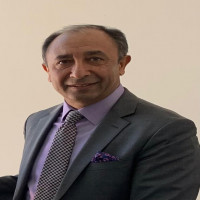
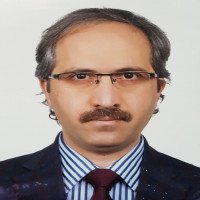
1978 yılında Suudi Arabistan’ın Medine şehrinde doğdu. İlkokul ve ortaokul öğrenimini Medine’deki Übey bin Ka’b ve Nâfî el-Leysî adlı okullarda tamamladı. 1997 yılında Konya İmam Hatip Lisesi’nden, 2003 yılında Marmara Üniversitesi İlahiyat Fakültesi’nden mezun oldu. Yüksek lisansını 2007 yılında Marmara Üniversitesi Sosyal Bilimler Enstitüsü’nde “İlk Üç Asırda Muhaddislerin Meslekleri ve Geçim Kaynakları” adlı tez konusu ile tamamladı. Atatürk Üniversitesi İlahiyat Fakültesi İslam Tarihi ve Sanatları Anabilim dalında 2011 tarihinde başladığı doktorasını “Hattat Sâmi Efendi ve Hat Sanatındaki Yeri” isimli teziyle tamamladı. Hat sanatıyla da meşgul olan Kanbaş, nesih hattını Mehmed Özçay’dan, sülüs hattını ise Osman Özçay’dan meşk etti. Hâlen görevine M.Ü. İlahiyat Fakültesi Türk İslam Sanatları Tarihi Anabilim Dalı’nda Doktor Öğretim Üyesi olarak devam eden Kanbaş, evli ve iki çocuk babasıdır.
 Web
Web
English Language Editor
Independent Researcher
German Language Editor
French Language Editor
Bolu Abant İzzet Baysal Üniversitesi Yabancı Diller Yüksekokulu Modern Diller Bölüm Koordinatörü
Russian Language Editor

Index Editor

Advisory Board

Editor in Chief
Bolu Abant İzzet Baysal University Scientific Publications and Journals Coordinator
Editorial Board
Karabük University Faculty of Islamic Sciences Lecturer
Tokat Gaziosmanpaşa University Faculty of Islamic Sciences
Bandırma Onyedi Eylül Üniversitesi , Sağlık Bilimleri Fakültesi , Çocuk Gelişimi Bölümü
Uzmanlık Alanı: Eğitim Programları ve Öğretim
Web
Dr. Tecim graduated from Selcuk University, Department of Sociology in 2001 and completed his M.A. (2006) and PhD (2011) degrees at the same university. Dr. Tecim spent a period of education in Poland as an Erasmus student and later served as a visiting professor (2015) at the University of San Jose in the US state of California. He lectured (2019) at Manas University in Kyrgyzstan for a year. Dr. Tecim spent his academic life at Muş Alparslan (2010-13), Aksaray University (2013-15), and Necmettin Erbakan University (2015-20) and continued at Selcuk University. Dr. Tecim published the books “Social Trust”, “Health Sociology Articles” and “Social Movements Age”, which works on Health Sociology, Sociology of Religion, Social Movements, and Social Capital, and also some articles about migration and research techniques.
Web
Dr. Norma Md Saad is a Professor at the Department of Economics, Faculty of Economics and Management Sciences, International Islamic University Malaysia. Her areas of specialization are Islamic Economics and Islamic Finance as well as International Trade. Her teaching and research have been focused on waqf, Islamic microfinance and also the intra-trade patterns of major economic blocs and their impact on regional integration. She is actively doing research on the area of international trade among Muslim countries, implementing equity-based models of Islamic microfinance and investigating the efficiency of corporate entities in managing Waqf institutions in Malaysia and other selected countries. Prof. Norma has published a few books (which also includes chapter in a book) in the area of Corporate Waqf (IIIT), Islamic Finance (IKIM), International Trade (IIIT), Macroeconomics (IIUM Press, and Business Mathematics (McGraw Hill). She has also published some of her works in the internationally recognized refereed journals.
Born on June 15, 1978, in the village of Chortovets, under the Horodenka City Council of Kolomyia District, Ivano-Frankivsk Oblast. From 2001 to 2004, studied in the postgraduate program at Vasyl Stefanyk Precarpathian National University. In 2005, defended a candidate dissertation on the topic: "Ukrainian Students in the Socio-Political Life of Eastern Galicia (the 1860s - early 20th century)."
From 2005 to 2023, worked as a senior lecturer at the Department of Humanities of the Institute of Management and Economics "Galician Academy," a research associate at the Research Center for the Study of the Ukrainian National Liberation Movement, head of the International Cooperation Department, director of the Educational and Research Center for Central and Eastern Europe Studies, associate professor, and head of the Department of International Relations at Vasyl Stefanyk Precarpathian National University. Since November 23, 2023, Dean of the Faculty of History, Political Science, and International Relations.
Organizer of more than 55 international conferences and round tables, including 11 held abroad (Belgium, Poland, and Turkey).
Recipient of scholarships from the Government of the Republic of Poland for young scientists, the Polish National Commission for UNESCO, the Ivan Vyhovsky Award, the National Scholarship Program of the Slovak Government, and the Kirkland Research Program. Guest professor at Maria Curie-Sklodowska University in Lublin, Jan Kochanowski University in Kielce (branch in Piotrków Trybunalski), and the University of Łódź. Participant in academic mobility programs Erasmus Mundus IANUS II ERASMUS+.
Member of the editorial boards of scientific journals: "Annales Universitatis Mariae Curie-Sklodowska" (Republic of Poland) and "Journal of the Human and Social Science Researches" (Turkey).
Reviewer for journals: "Historical and Political Problems of the Modern World," "Humanities Visions," "Sprawy Międzynarodowe," "Wschód Europy. Studia humanistyczno-społeczne," "Rocznik Instytutu Europy Środkowo-Wschodniej," "Annales Universitatis Mariae Curie-Sklodowska."
Expert at the Ukrainian Institute of Scientific and Technical Expertise and Information (Ukraine) and the Visegrad Fund (Republic of Poland). Member of the board at the Department of International Cooperation, European Integration, Tourism, and Investment of the Ivano-Frankivsk Regional State Administration (Ukraine). Member of the Ukrainian Association of Teachers and Researchers of European Integration (Ukraine). Member of the National Union of Local Historians of Ukraine.
Associate Professor Dr. Badri Najib bin Zubir has been with the International Islamic University Malaysia since 1993. He is currently the Dean, IIUM Academy of Graduate and Professional Studies (IIUM Academy).
He graduated from Al-Azhar University, Cairo in 1992 and went on to complete his Masters and PhD at the School of Oriental and African Studies in 1994 and 1999 respectively.
In 2009 to 2012, he was the Dean of the Kulliyyah (Faculty) of Islamic Revealed Knowledge and Human Sciences, overseeing more than thirty academic programmes in the main branches of Islamic Studies, humanities and social sciences from the bachelor to PhD levels.
He was also the Chairman of the MQA panel responsible for developing the Programme Standards of Islamic Studies which is applicable to all higher education institutions offering Islamic Studies programmes. The Standards was published in 2012.
Economic Administrative Sciences Editors
Independent Researcher
Web
Dr. Norma Md Saad is a Professor at the Department of Economics, Faculty of Economics and Management Sciences, International Islamic University Malaysia. Her areas of specialization are Islamic Economics and Islamic Finance as well as International Trade. Her teaching and research have been focused on waqf, Islamic microfinance and also the intra-trade patterns of major economic blocs and their impact on regional integration. She is actively doing research on the area of international trade among Muslim countries, implementing equity-based models of Islamic microfinance and investigating the efficiency of corporate entities in managing Waqf institutions in Malaysia and other selected countries. Prof. Norma has published a few books (which also includes chapter in a book) in the area of Corporate Waqf (IIIT), Islamic Finance (IKIM), International Trade (IIIT), Macroeconomics (IIUM Press, and Business Mathematics (McGraw Hill). She has also published some of her works in the internationally recognized refereed journals.
Born on June 15, 1978, in the village of Chortovets, under the Horodenka City Council of Kolomyia District, Ivano-Frankivsk Oblast. From 2001 to 2004, studied in the postgraduate program at Vasyl Stefanyk Precarpathian National University. In 2005, defended a candidate dissertation on the topic: "Ukrainian Students in the Socio-Political Life of Eastern Galicia (the 1860s - early 20th century)."
From 2005 to 2023, worked as a senior lecturer at the Department of Humanities of the Institute of Management and Economics "Galician Academy," a research associate at the Research Center for the Study of the Ukrainian National Liberation Movement, head of the International Cooperation Department, director of the Educational and Research Center for Central and Eastern Europe Studies, associate professor, and head of the Department of International Relations at Vasyl Stefanyk Precarpathian National University. Since November 23, 2023, Dean of the Faculty of History, Political Science, and International Relations.
Organizer of more than 55 international conferences and round tables, including 11 held abroad (Belgium, Poland, and Turkey).
Recipient of scholarships from the Government of the Republic of Poland for young scientists, the Polish National Commission for UNESCO, the Ivan Vyhovsky Award, the National Scholarship Program of the Slovak Government, and the Kirkland Research Program. Guest professor at Maria Curie-Sklodowska University in Lublin, Jan Kochanowski University in Kielce (branch in Piotrków Trybunalski), and the University of Łódź. Participant in academic mobility programs Erasmus Mundus IANUS II ERASMUS+.
Member of the editorial boards of scientific journals: "Annales Universitatis Mariae Curie-Sklodowska" (Republic of Poland) and "Journal of the Human and Social Science Researches" (Turkey).
Reviewer for journals: "Historical and Political Problems of the Modern World," "Humanities Visions," "Sprawy Międzynarodowe," "Wschód Europy. Studia humanistyczno-społeczne," "Rocznik Instytutu Europy Środkowo-Wschodniej," "Annales Universitatis Mariae Curie-Sklodowska."
Expert at the Ukrainian Institute of Scientific and Technical Expertise and Information (Ukraine) and the Visegrad Fund (Republic of Poland). Member of the board at the Department of International Cooperation, European Integration, Tourism, and Investment of the Ivano-Frankivsk Regional State Administration (Ukraine). Member of the Ukrainian Association of Teachers and Researchers of European Integration (Ukraine). Member of the National Union of Local Historians of Ukraine.
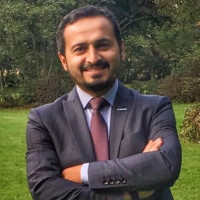
Dr. Oğuz ÖZCAN
1977 yılında İstanbul’da doğdu. Orta ve lise eğitimini Küçükköy İmam Hatip Lisesi (İHL) ile Gaziosmanpaşa İHL’de tamamladı. İstanbul Üniversitesi, Siyasal Bilgiler Fakültesi Uluslararası İlişkiler Bölümü’nden 1999 yılında mezun oldu. Yüksek lisansı, Yıldız Teknik Üniversitesi, Sosyal Bilimler Enstitüsü’nde “Uluslararası İlişkiler Yönünden Türkiye Cumhuriyeti’nin Milletler Cemiyeti Üyeliğine Kabulü ve Önemi” başlıklı teziyle tamamladı. İstanbul Üniversitesi, Sosyal Bilimler Enstitüsü’nde yaptığı “Milli Görüş’ten AK Parti’ye Türkiye’de İslamcı Siyasetin Dönüşümü” başlıklı teziyle doktorasını tamamladı.
Educaciton Editors
Bandırma Onyedi Eylül Üniversitesi , Sağlık Bilimleri Fakültesi , Çocuk Gelişimi Bölümü
Uzmanlık Alanı: Eğitim Programları ve Öğretim
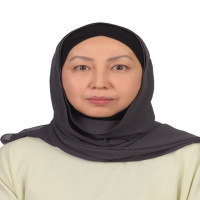
Dr. Siti Zubaidah Ismail is currently Associate Professor at Shariah and Law Department, University of Malaya Kuala Lumpur, Malaysia. She graduated with Bachelor of Shariah from University of Malaya, Master of Comparative Laws from International Islamic University Malaysia, LL.M from Birmingham University and PhD (Malaya). Her main research interests are on the Islamic law and criminal justice in contemporary Muslim countries, particularly in Southeast Asia. Her current research is on the history of Islam and Islamic law and the interaction of Islamic law in society relating to Muslim converts, inter-religious marriage, criminal justice, freedom of religion and human rights. She was Visiting Fellow at Asian Law Institute, National University of Singapore in 2010 and Visiting Scholar at Faculty of Law Universitas Indonesia in 2016. She was one of the recipients for AUA Scholars Award 2019 and UI-Resolv Visiting Scholar Awards 2016. Previously she was Head of Shariah and Law Department (2011-2016), Deputy Dean for Humanities and Ethics Research Cluster (2018) and the faculty's Deputy Director for Research and Development (2019-2021). Outside the University, she is Senior Research Fellow with Centre for Human Rights Research and Advocacy (CENTHRA) since 2017 and Deputy Chairman of PERAMAH Foundation (an NGO) and exco member for Malaysian Alliance of Civil Society in the UPR Process (MACSA). She has more than 115 articles published and the author of four books.
Philosophy and Religious Studies Editors
Karabük University Faculty of Islamic Sciences Lecturer
Tokat Gaziosmanpaşa University Faculty of Islamic Sciences
Bolu Abant İzzet Baysal University Theology Faculty, Department of İslamic Law
Web
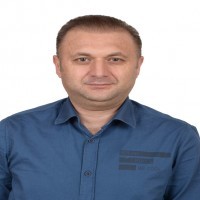
Dr. Tecim graduated from Selcuk University, Department of Sociology in 2001 and completed his M.A. (2006) and PhD (2011) degrees at the same university. Dr. Tecim spent a period of education in Poland as an Erasmus student and later served as a visiting professor (2015) at the University of San Jose in the US state of California. He lectured (2019) at Manas University in Kyrgyzstan for a year. Dr. Tecim spent his academic life at Muş Alparslan (2010-13), Aksaray University (2013-15), and Necmettin Erbakan University (2015-20) and continued at Selcuk University. Dr. Tecim published the books “Social Trust”, “Health Sociology Articles” and “Social Movements Age”, which works on Health Sociology, Sociology of Religion, Social Movements, and Social Capital, and also some articles about migration and research techniques.

College of Sharia and Islamic Studies
History, Culture and Arts Editors
1978 yılında Suudi Arabistan’ın Medine şehrinde doğdu. İlkokul ve ortaokul öğrenimini Medine’deki Übey bin Ka’b ve Nâfî el-Leysî adlı okullarda tamamladı. 1997 yılında Konya İmam Hatip Lisesi’nden, 2003 yılında Marmara Üniversitesi İlahiyat Fakültesi’nden mezun oldu. Yüksek lisansını 2007 yılında Marmara Üniversitesi Sosyal Bilimler Enstitüsü’nde “İlk Üç Asırda Muhaddislerin Meslekleri ve Geçim Kaynakları” adlı tez konusu ile tamamladı. Atatürk Üniversitesi İlahiyat Fakültesi İslam Tarihi ve Sanatları Anabilim dalında 2011 tarihinde başladığı doktorasını “Hattat Sâmi Efendi ve Hat Sanatındaki Yeri” isimli teziyle tamamladı. Hat sanatıyla da meşgul olan Kanbaş, nesih hattını Mehmed Özçay’dan, sülüs hattını ise Osman Özçay’dan meşk etti. Hâlen görevine M.Ü. İlahiyat Fakültesi Türk İslam Sanatları Tarihi Anabilim Dalı’nda Doktor Öğretim Üyesi olarak devam eden Kanbaş, evli ve iki çocuk babasıdır.
Web
Associate Professor Dr. Badri Najib bin Zubir has been with the International Islamic University Malaysia since 1993. He is currently the Dean, IIUM Academy of Graduate and Professional Studies (IIUM Academy).
He graduated from Al-Azhar University, Cairo in 1992 and went on to complete his Masters and PhD at the School of Oriental and African Studies in 1994 and 1999 respectively.
In 2009 to 2012, he was the Dean of the Kulliyyah (Faculty) of Islamic Revealed Knowledge and Human Sciences, overseeing more than thirty academic programmes in the main branches of Islamic Studies, humanities and social sciences from the bachelor to PhD levels.
He was also the Chairman of the MQA panel responsible for developing the Programme Standards of Islamic Studies which is applicable to all higher education institutions offering Islamic Studies programmes. The Standards was published in 2012.
English Language Editor
Independent Researcher
German Language Editor
French Language Editor
Bolu Abant İzzet Baysal Üniversitesi Yabancı Diller Yüksekokulu Modern Diller Bölüm Koordinatörü
Russian Language Editor
Advisory Board
Tokat Gaziosmanpaşa University Faculty of Islamic Sciences
Web
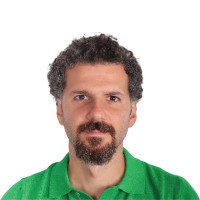
1975 yılında Giresun‐Dereli ilçesinde doğdu. 1996’da Giresun İmam Hatip Lisesi’nden, 2001’de Uludağ Üniversitesi İlâhiyat Fakültesi’nden mezun oldu. 2003 yılında Diyanet İşleri Başkanlığı Bursa İl Müftülüğü bünyesinde din görevlisi olarak memuriyete başladı. 2007’de Sakarya Üniversitesi Sosyal Bilimler Enstitüsü Kelâm Anabilim Dalı’nda Yüksek Lisansını tamamladı. 2008’de aynı üniversitede Kelâm Anabilim Dalı’nda doktoraya başladı. 2009’da Diyanet İşleri Başkanlığı tarafından Norveç/Oslo Büyükelçiliği bünyesinde beş yıllığına Drammen Merkez Camii’ne Din Görevlisi olarak görevlendirildi.
2013 yılında Sakarya Üniversitesi Sosyal Bilimler Enstitüsü Kelâm Anabilim Dalı’nda doktorasını tamamladı ve aynı yılda Balıkesir Üniversitesi İlâhiyat Fakültesi Kelâm ve İslâm Mezhepleri Tarihi Anabilim Dalı’na yardımcı doçent olarak atandı. Sahasıyla ilgili araştırmalar yapmak üzere dört ay (Ocak‐Nisan 2014) Ürdün/Amman’da bulundu. 17 Temmuz 2018 tarihinde doçent unvanını alan Önal, 07.08.2020 tarihinde Giresun Üniversitesi İslami İlimler Fakültesi Temel İslam Bilimleri Bölümü’ne öğretim üyesi olarak atandı. 07.11.2023’te profesör kadrosuna atanan Önal, halen, Giresun Üniversitesi İlahiyat Fakültesi Temel İslam Bilimleri Bölümü başkanlığı ve dekan yardımcılığı görevlerini yürütmektedir.
Önal’ın Ebû Mansur el‐Mâtürîdî’ye Göre İslâm Dışı Dinler (Emin Yayınları, Bursa 2013); Avrupa’da İslâm ve Müslüman Azınlıklıklar: Norveç Örneği (Emin Yayınları, Bursa 2016; Ebü’l‐Berekât en‐Nesefî ve Kelamî Polemikleri (Emin Yayınları, Bursa 2017); İmam Birgivî’de Bilgi ve İnanç Paradigması (Emin Yayınları, Bursa 2019); Mevlânâ Teolojisinden Psiko-Kelam İçerikli Semantik Analizler (Berikan Yayınları, Akara 2022) ve Matüridi Kitaplığı Aile ve Toplumsal İlişkiler (İlke Yayıncılık, İstanbul 2021) adlı kitapları ile ulusal ve uluslararası nitelikte yayımlanmış pek çok telif makale çalışmaları mevcuttur.
Web
Born in 1976, Sırma Oya Tekvar graduated from Bilkent University, Department of English-French Translation and Interpretation. After gaining work experience in various fields such as Latin and ballroom dance teaching, translation and customer services, she received an English teaching certificate from Hacettepe University and worked at Gazi University as a lecturer for a while.
While working as a manager at Onay Art Exhibition and Concert House, founded by Prof. Ersin Onay in Istanbul, she completed her master's degree at Ankara University, Faculty of Communication, Department of Public Relations and Publicity. Tekvar, who completed her Ph.D. education at the same University and Department, worked as a public relations senior and training director at Ankara Netvizyon MediaPark during this period. Within this institution, he worked as a public relations specialist and training director. Within this institution, se took part in protocols such as TR Ministries, Presidency, and many national and international projects and tasks.
Tekvar, who started working at the School of Health, Department of Health Management, as an Assistant Professor at Karabük University in 2013, continued her duty as a faculty member in the Faculty of Business Administration, Department of Public Relations and Publicity in 2015. She was awarded the title of Associate Professor in the field of Public Relations in November 2021.
Tekvar carries out many social responsibility projects and events at Karabük University that bring students together with the business world. She is also the Karabük Representative of the new generation software technologies company e-Cloud and Metader Metaverse Application and Development Association, which has a branch within Karabük University Teknokent. She has been the HAYTAP Animal Rights Federation Representative since 2008 and is also a member of the Painless Slaughter Association.
Web
1970 Yılında Kastamonu'nun Devrekani ilçesinde doğdu.
1988 yılında Şişli İHL'den mezun oldu.
1993 yılında Marmara Üniversitesi İlahiyat Fakültesi'ni bitirdi.
1996 Yılında Marmara Üniversitesi Sosyal Bilimler Enstitüsünde Prof. Dr. Mehmet Erkal danışmanlığında "İslam Hukukunda İşçilerin Tazmin Borcu ve Sınırları" isimli yüksek lisans tezini hazırladı.
1997'de Marmara Üniversitesi Sosyal Bilimler Enstitüsü'nde İslam Hukuku'ndan doktoraya başladı.
2004 yılında Prof. Dr. Celal Erbay danışmanlığında "İslam Hukukunda Akit Hürriyetine Getirilen Sınırlamalar" isimli doktora tezini tamamladı.
2009 yılında Şırnak Üniversitesi İlahiyat Fakültesi’ne İslam Hukuku Öğretim üyesi olarak atandı.
2012 yılında Kastamonu Üniversitesi İlahiyat fakültesine atandı.
2021 yılında Doçent oldu.
Şeyh Şaban Veli Değerler Eğitimi ve Araştırma Merkezi Müdürlüğü görevini yürütmektedir.
Arapça ve İngilizce bilmektedir. Evli ve dört çocuk babasıdır.
Doç. Dr. Ahmet Yemenici Ankara Üniversitesi İlahiyat Fakültesi’nden Mezun oldu. 2000 Yılında Ankara Üniversitesi Sosyal Bilimler Enstitüsü Felsefe ve Din Bilimleri (Din Eğitimi) alanında “Kur’an’daki Hz. İbrahim Kıssasının Din Öğretimi Özel Öğretim Yöntemleri Açısından Çözümlenmesi” adlı yüksek lisans tezini tamamladı. Ekim 2003 – Haziran 2004 Yılları arasında doktora projesi kapsamında, ücretsiz izinli ve Türkiye Diyanet Vakfı Burslusu olarak Frankfurt Johann Wolfgang Goethe Üniversitesi’nde doktora öğrencisi olarak bulundu. Doktora çalışması olarak 2012 yılında, Anakara Üniversitesi Sosyal Bilimler Enstitüsü Felsefe ve Din Bilimleri (Din Eğitimi) alanında “Din Kültürü ve Ahlak Bilgisi Öğretmenlerinin Diğer Dinlere ve Din Mensuplarına İlişkin Yaklaşımları” adlı çalışmayı tamamladı. 2013 Yılından itibaren Ankara Yıldırım Beyazıt Üniversitesi İslami İlimler Fakültesi Felsefe ve Din Bilimleri Bölümünde öğretim üyeliği görevini yürütmektedir. Akademisyen olmadan önce mesleki deneyim olarak 6 Yıl Milli Eğitim Bakanlığı ilk ve ortaöğretim kurumlarında öğretmenlik yapmıştır. 10 yıl Milli Eğitim Bakanlığı Din Öğretimi Genel Müdürlüğü Program Geliştirme Şubesinde görevli öğretmen ve 3 yıl eğitim uzmanı olarak görev almıştır. Bu yıllar içinde ilköğretim ve ortaöğretim Din Kültürü ve Ahlak Bilgisi Öğretim Programları ile İmam Hatip Lisesi Meslek Dersleri Öğretim Programlarının hazırlanması çalışmalarına ve program tanıtım seminerlerine katılmıştır. Doç. Dr. Ahmet Yemenici Ankara Yıldırım Beyazıt Üniversitesi İslami İlimler Fakültesi Felsefe ve Din Bilimleri Bölümünde din eğitiminde öğrenme alanları ve öğretim yaklaşımları, din öğretiminde temel beceriler, din eğitiminde program geliştirme ile dini farklılıklara ilişkin yaklaşımlar ve öğretmen deneyimleri üzerinde çalışmalarını yürütmektedir. Din eğitimi alanında yayınlanmış bildiri ve makaleleri bulunmaktadır. Aynı zamanda Fakülte Öğretim Programları ve Kalite Komisyonları üyesidir.

Layout Editor
 Web
Web